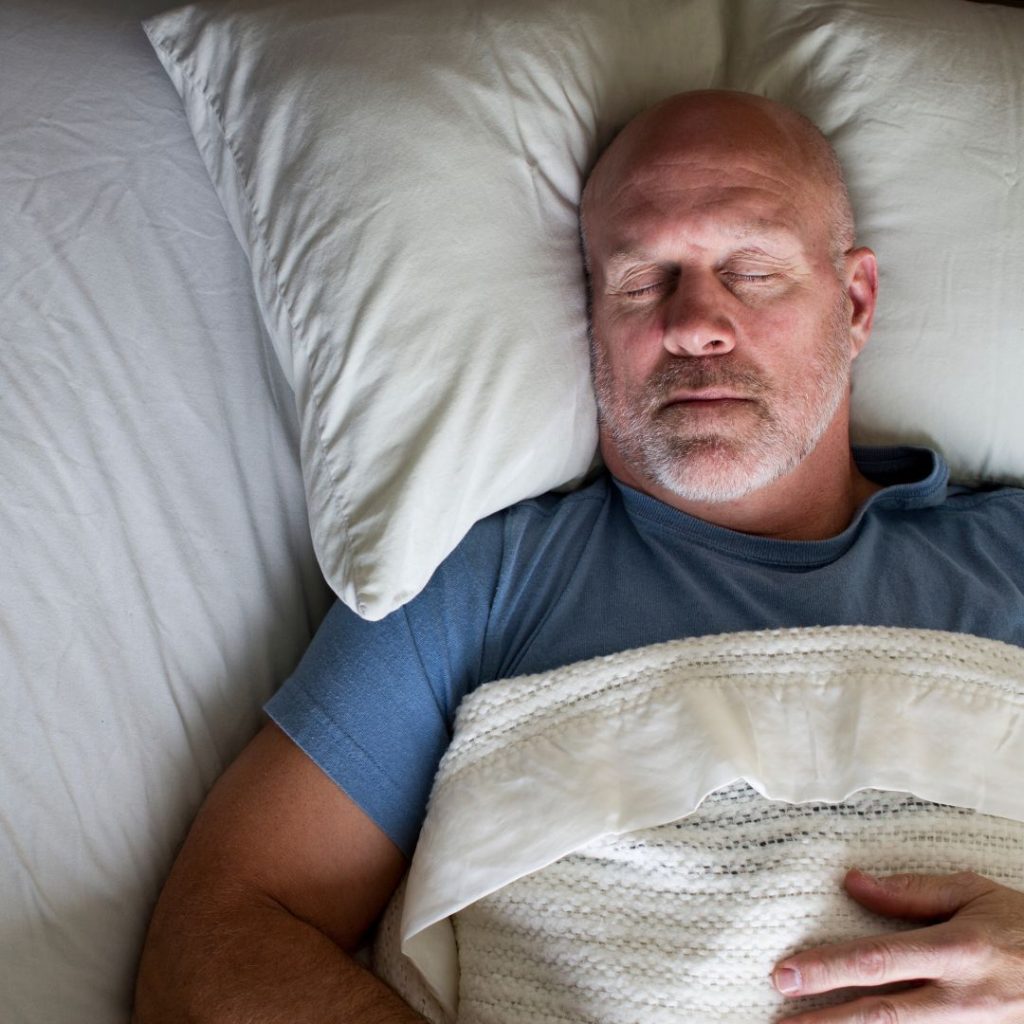
Parkinson’s disease itself, or the medications used to control it, can cause a wide variety of sleep problems: insomnia, short or interrupted nights, difficulty turning, cramps, involuntary movements, restless legs, need to urinate, vivid dreams, breathing problems, or daytime drowsiness to name just a few.
This is not unusual. And it is not inconsequential.
The key advice from patient organisations is: “Don’t wait to get help. Talk to your doctor.”
Some people are helped by adjusting their medication or by being referred to a urologist, a physiotherapist, a psychologist or a sleep clinic. Occupational therapists can also help with practical aides such as a smooth undersheet to make turning easier or a toilet next to the bed.
Other patients find that applying good sleep hygiene rules can help improve their sleep.
Vlaams Parkinson Liga provided this useful checklist:
- Exercise: Get at least half an hour’s exercise during the day.
- Limit afternoon naps: One hour maximum.
- Avoid stimulantsg. caffeine, nicotine, alcohol and heavy meals in the evening.
- Routine: Go to bed at approximately the same time every day and get up at around the same time.
- Increase melatonin by turning down the lights and switching off the screen lights on smartphones and tablets.
- Adjust your bedroom temperature: 18°C is ideal – and open a window if you can.
- Relax: Read a book or listen to calming music before bed. Create a ritual.
- Use sleep aids: Consider earplugs, a sleep mask or blackout curtains if you are easily disturbed.
- Don’t panic if you wake during the night. Stay calm. Try to go back to sleep.
- Get up if you really can’t sleep. Keep the lights low. Do something gentle. Return to bed when tired.
Additional resources:
- The Michael J. Fox Foundation provides an online .pdf about sleep https://www.michaeljfox.org/sites/default/files/media/document/Sleep%20Guide_3.30.21.pdf
This article draws upon guidance and suggestions provided by Parkinson’s organisations in Belgium, the United States, Canada, the United Kingdom, the Netherlands and France. It aims to provide an overarching view of available advice but can not possibly be comprehensive. We encourage you to visit the websites of your local or regional organisations as these may have specific information suited to your particular needs.