
Parkinson’s disease
Living with Parkinson’s disease
Parkinson’s is often first a neurological diagnosis. But for those who live with it, and those who stand beside them, it is something far more personal.
It reshapes daily rhythms, influences relationships, and changes how the future is imagined. Understanding these lived realities is essential to recognizing the full human experience behind the symptoms.
A diagnosis marks a starting point, but the journey is defined by the resilience found in every quiet adjustment.
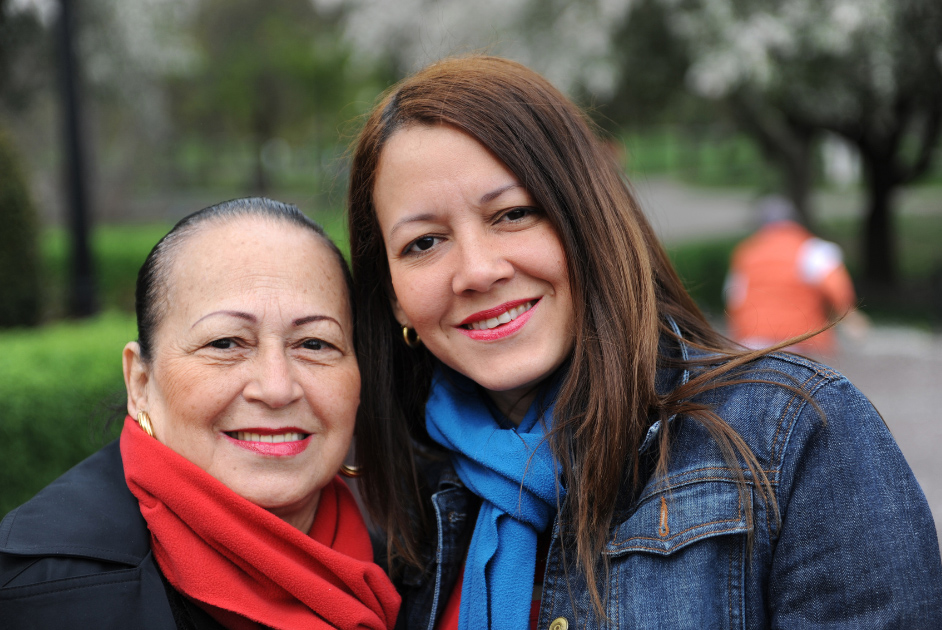

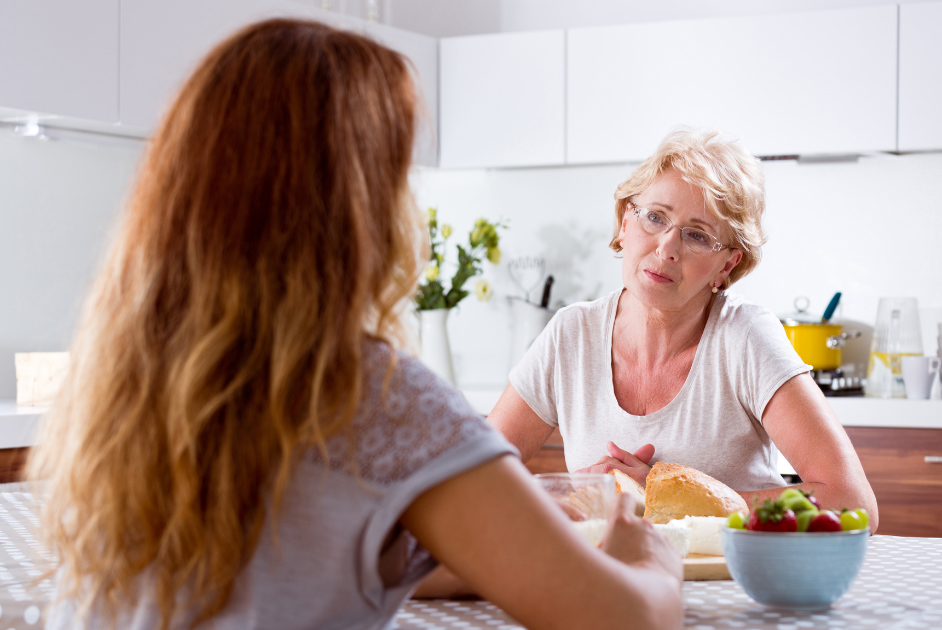
Parkinson’s disease
A shared reality
Parkinson’s affects more than movement. It touches energy, concentration, confidence, sleep, and mood. While some changes are visible, many remain private and difficult to explain.
Over time, the condition becomes part of everyday life – not as a single defining moment, but as a series of constant adaptations. Expectations shift, routines evolve, and conversations take on new meaning. Recognizing this broader reality allows us to move beyond simplified images of Parkinson’s toward a respectful understanding of the person behind the diagnosis.
Living with Parkinson’s is not a stationary state; it is a continuous process of learning to navigate a body that speaks a new language.
Parkinson’s disease
Explore the perspectives
Understanding begins with recognition. Whether you are living with Parkinson’s, caring for someone, or seeking to better understand the condition, we invite you to explore the specialized sections below.
Understanding Parkinson’s
Gaining a clearer understanding of how the condition works, both in its visible and less visible dimensions, helps to create realistic expectations and informed conversations. Explore the medical and neurological aspects of the disease.
Living with Parkinson’s
Daily life is rarely static; energy and movement can vary from one hour to the next. Learn how members of our community navigate this unpredictability while maintaining their identity and independence.
Caring for someone with Parkinson’s
Care often begins in small, almost invisible ways. Acknowledging the caregiver perspective is essential to bring balance to the conversation and recognize the shared nature of the journey.
Progress is a shared journey. When we understand the reality of the day-to-day, we can better support the science of tomorrow.