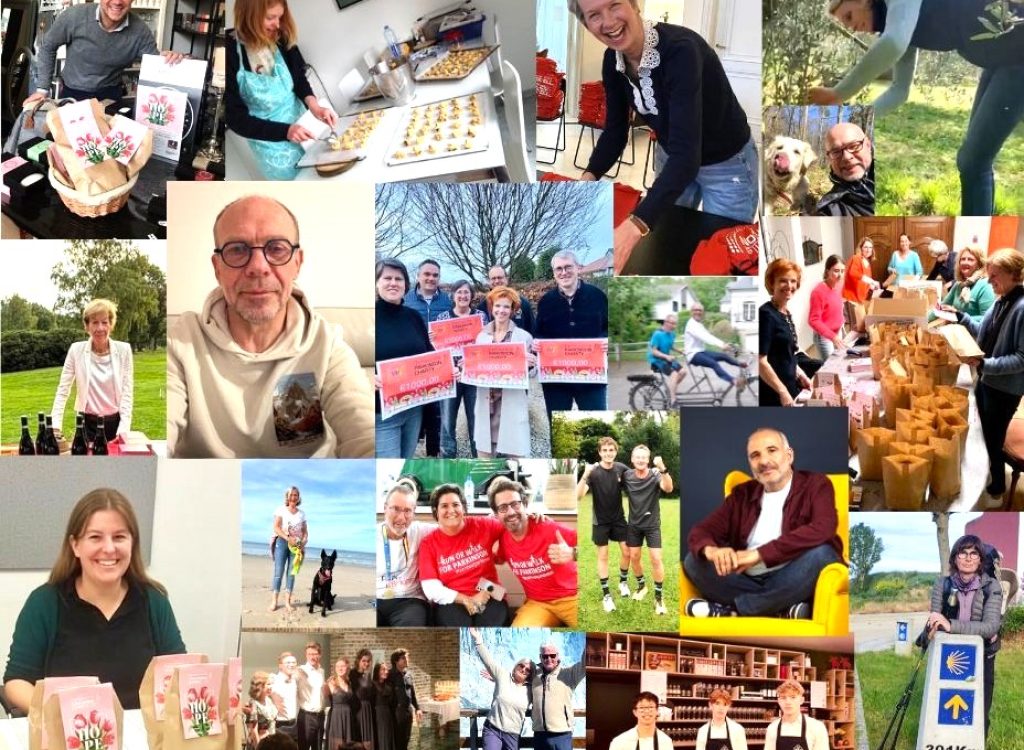
The following is a collection of images and texts that the Demoucelle Parkinson Charity first posted as part of World Parkinson’s Week in April 2020. The intention was to raise awareness of this condition, which affects 40,000 people in Belgium alone, and to hopefully encourage more people to become active fundraisers in order to be able to further accelerate scientific research to find a cure.
#parkinsonsdisease #findacure #knowthesymptoms #teambeatparkinsons #parkinsonsweek #tulipsforhope
————————————————
Parkinson’s disease is a progressive nervous system disorder that affects movement and causes many other symptoms. Every patient is different, however there seem to be some typical ‘early signs’ of Parkinson’s. These include:
· The face showing little or no expression.
· Arms not swinging when the person walks.
· Handwriting becoming smaller.
· Patients having difficulty identifying certain odours.
· Speech becoming soft or slurred
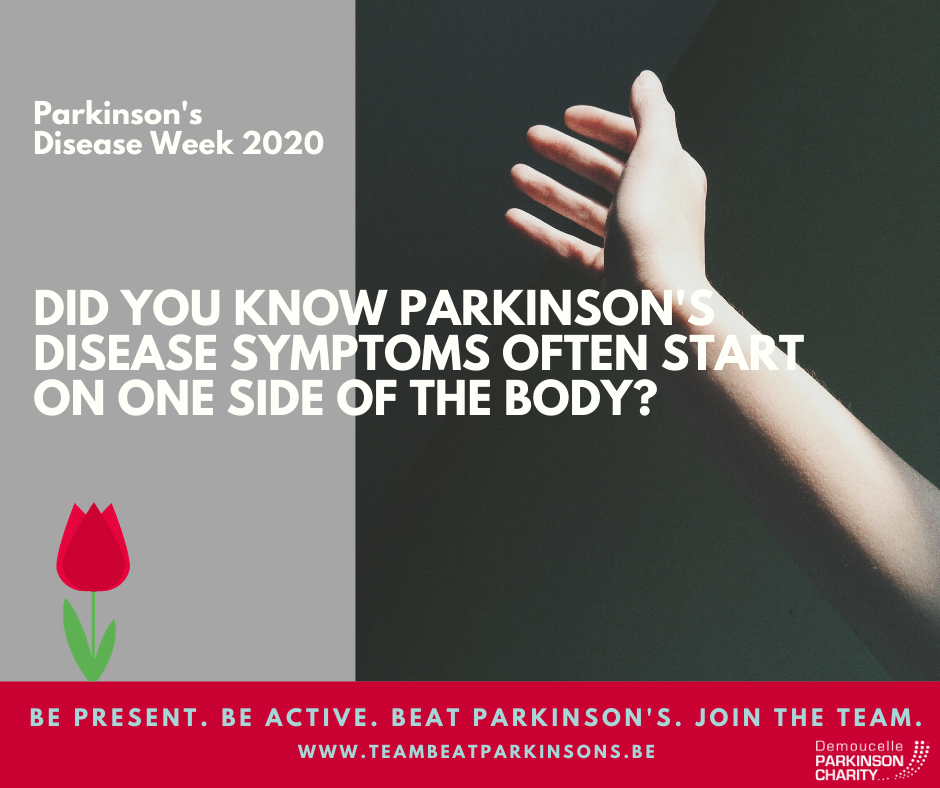
With regards to movement, symptoms often start on one side of the body, such as:
· A tremor in one hand
· One foot dragging behind
If you think you or a loved one might have Parkinson’s Disease, talk to your doctor who, once the diagnosis is made, can suggest the best treatment plan for that particular individual and their particular needs.
———————————————–
Whilst there are many ‘typical’ Parkinson’s symptoms, every patient has a ‘unique’ version of the disease with their own combination of symptoms, their own progression of the disease and their own reaction to treatments. It is vital that patients are closely monitored and cared for by a specialist doctor.
———————————————–
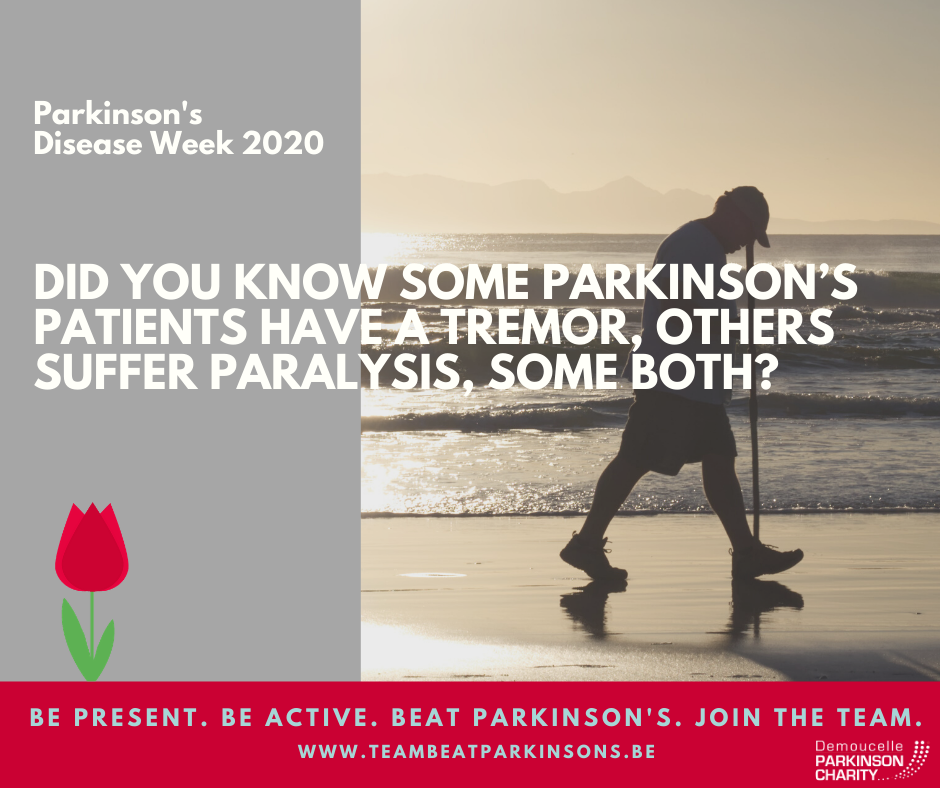
Every patient is different, however, some typical symptoms include:
· Tremor. Often begins in a limb e.g. hands or fingers.
· Slowed movement. Simple tasks become difficult. Steps may become shorter with feet being dragged. It may be difficult to get out of a chair.
· Rigid muscles. Can affect any part of the body causing pain and limited motion.
· Impaired posture and balance. Some patients stoop and may fall.
· Loss of automatic movements. Unable to blink, smile or swing arms when walking.
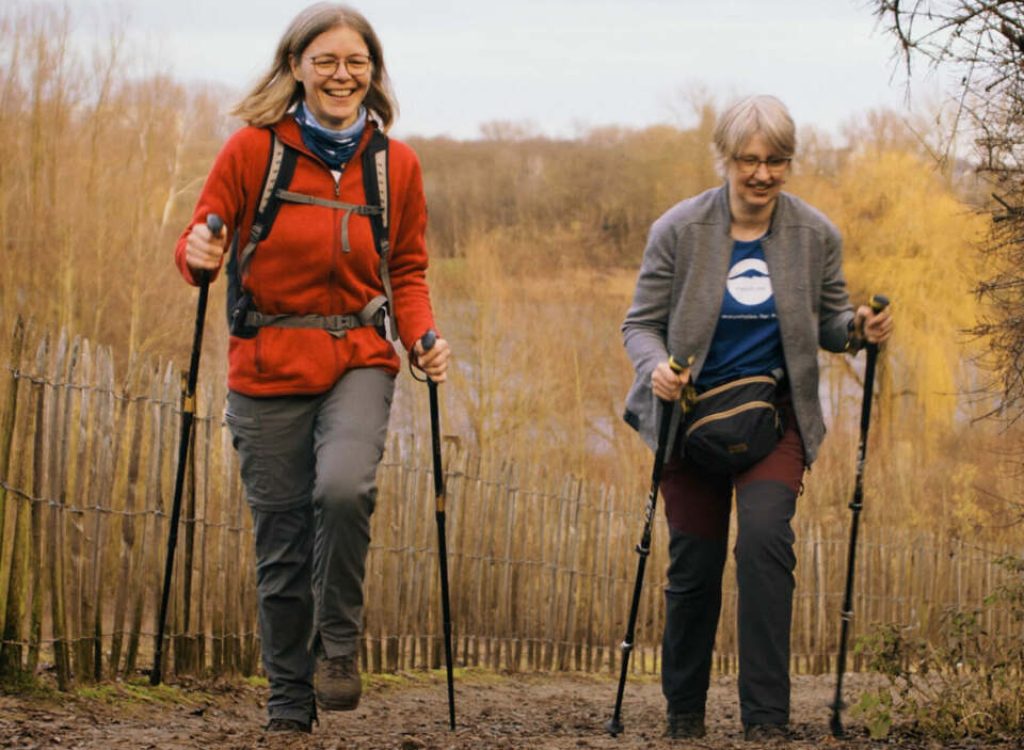
Whilst Parkinson’s has a significant impact on movement, it does not prevent patients from exercising. For many patients, light exercise – such as yoga, pilates and tai chi – can even reduce the severity of some symptoms.
———————————————–
Every patient is different, however some typical symptoms include:
· Sleep problems and sleep disorders. This can include frequent waking during the night, waking up early or falling asleep during the day.
· Rapid eye movement sleep behavior disorder, which involves acting out dreams.
The more you share your day-to-day problems with your doctor, the better (s)he can help you. Some problems might seem embarrassing to you, but your doctor will not consider them inconsequential or silly and (s)he might be able to diminish your concerns and provide some solutions.
———————————————–
Every patient is different, however some typical symptoms include:
· Speech changes. Patients may talk more softly, quickly, monotonously, slur or hesitate.
· Swallowing problems. Saliva can accumulate in patients’ mouths resulting in drooling.
· Chewing and eating problems. Late-stage Parkinson’s disease affects the muscles in patients’ mouths, making chewing difficult. This can lead to choking and poor nutrition.
For many of the motor and non-motor symptoms of Parkinson’s disease, paramedical staff such as speech therapists, dieticians and occupational therapists etc. can help improve the quality of life of Parkinson’s patients. Don’t hesitate to discuss additional treatments with your doctor.
Every patient is different, however many experience fatigue, anxiety, depression and apathy.
Stress tends to momentarily increase the gravity of the symptoms of Parkinson’s. Positive emotions on the other hand tend to momentarily decrease the gravity of the symptoms.
The best thing you can do to support someone diagnosed with Parkinson’s Disease, or caring for someone with the condition, is to show empathy. Make them feel understood. This eases their burden – at least a little bit.