Cet article a été traduit à l'aide de Deepl. Nous vous prions de bien vouloir nous excuser pour les éventuelles erreurs ou formulations étranges.
Parkinson’s disease can affect people’s sense of smell and taste, reduce their appetite and make it difficult to chew or swallow. In addition, patients can experience symptoms of constipation and changes in their weight and certain medications are best taken on an empty stomach, while others are better taken after a light snack. All of this means that the relationship between someone with Parkinson’s and food can get complicated but help is at hand! By discussing these aspects of your life with your neurologist, they will be able to suggest the right physiotherapist or even a nutritionist to help you.
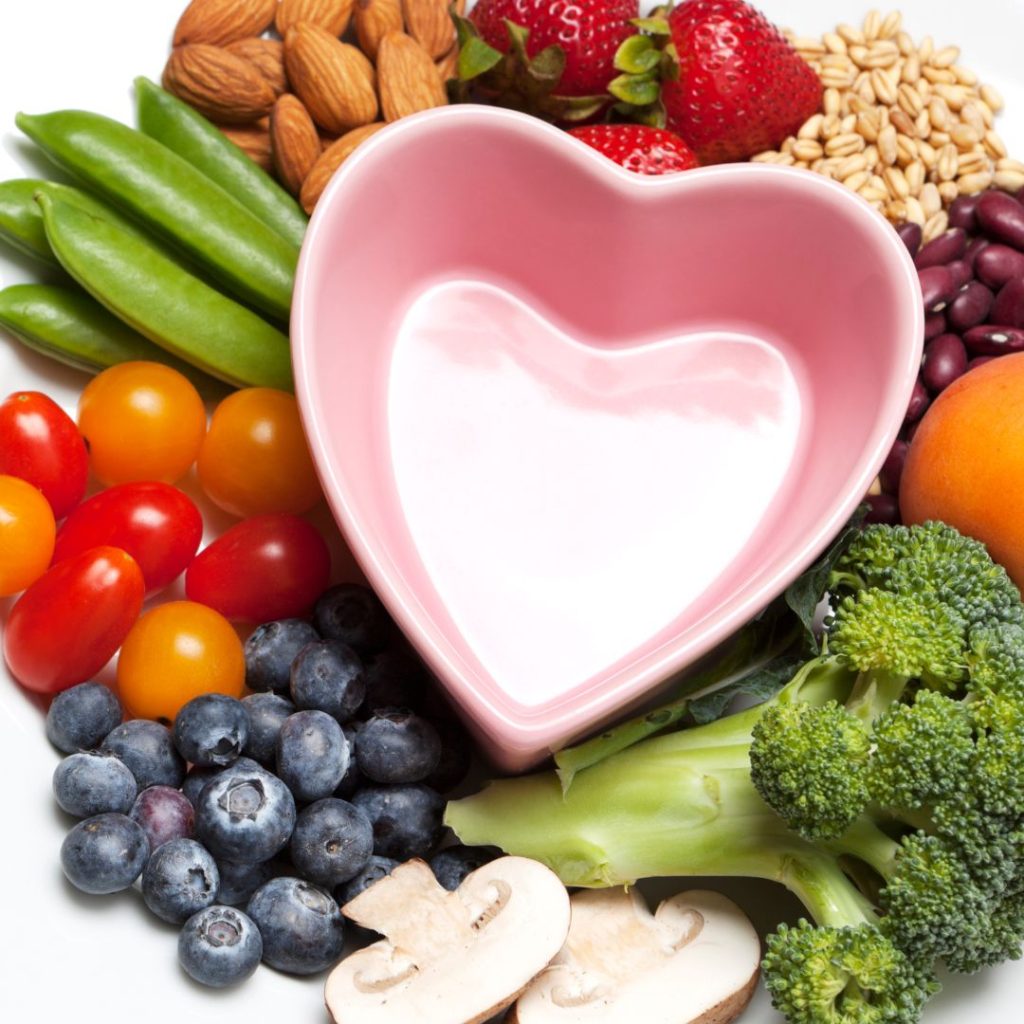
While no specific diet is recommended for people with Parkinson’s disease, eating a healthy, nutritious and balanced diet is encouraged, and patients are advised to cut down on sugar, salt and processed foods (as indeed is the rest of the population!)
Association Parkinson recommends that patients “should be particularly careful about (their) water and salt intake. The risk of dehydration is probably slightly increased in these patients.” The charity also states that while alcohol is not contraindicated, it may, of course, aggravate existing balance issues and that excessive consumption of coffee can aggravate tremors.
The Parkinson’s Foundation offers these suggestions for optimising medications, bone strength, bowel movements and maintaining good weight, general health and fitness:
- Drink enough water (six glasses a day is recommended)
- Eat fiber-rich foods, including brown rice, whole grains (breads with three grams or more of dietary fiber per slice), fruit and beans to ease digestive difficulties and constipation.
- Take your medications with a full glass of water. It may help your body break down the medication more efficiently.
- Limit sugar intake, alcohol and caffeine particularly before bed, as they may interrupt sleep.
- Talk to your doctor about whether you should increase your Vitamin D intake. Vitamin D is found in fortified milk and milk products, egg yolks and fatty fish, like tuna, mackerel and salmon, and helps maintain bone health.
- Snack on small quantities of walnuts, cashews and other nuts to promote brain health.
- Eat berries, which contain beneficial antioxidants
- Include foods known for their anti-inflammatory effect in the brain, like salmon, tuna and dark, leafy green vegetables.
Ressources supplémentaires :
- Néerlandais : Vlaamse Parkinson Liga provides a link to useful information about diet, vitamins, the interaction between certain medications (Levodopa) and food and a selection of recipes. https://www.parkiskookatelier.be/
- Français : The Michael J. Fox Foundation offers a dietary guide you can download.
https://www.michaeljfox.org/form/diet-and-brain-health-guide
Cet article s'appuie sur les conseils et suggestions formulés par des associations de lutte contre la maladie de Parkinson en Belgique, aux États-Unis, au Canada, au Royaume-Uni, aux Pays-Bas et en France. Il vise à offrir une vue d'ensemble des conseils disponibles, mais ne saurait prétendre à l'exhaustivité. Nous vous invitons à consulter les sites Internet de vos associations locales ou régionales, car celles-ci peuvent disposer d'informations spécifiques adaptées à vos besoins particuliers.