Cet article a été traduit à l'aide de Deepl. Nous vous prions de bien vouloir nous excuser pour les éventuelles erreurs ou formulations étranges.
This World Parkinson’s Disease Week, Veerle will be providing regular blogs about her experiences as a Parkinson’s patient. Diagnosed 11 years ago, Veerle will describe some of the daily challenges of life with the disease. Since no two Parkinson’s patients are the same, Veerle speaks only for herself, however many of the issues she describes will be familiar to many people.
I am by no means a scientist, doctor or biochemist. But I do have the necessary expertise about what it’s like to live with Parkinson’s Disease. And, as far as I understand and live it, this is the current state of affairs.
Dopamine is a neurotransmitter and provides the communication link between brain and muscles – all our muscles, not just those of our limbs. At diagnosis, 70 percent of dopamine-producing neurons in our substantia nigra (part of our brain) are already dormant or dead (there is no consensus on that yet). What everyone else does without thinking, is more complicated for Parkinson’s patients. Or, as a fellow patient once described it: “if I want to move, I can’t; and if I want to sit still, I move”. The lack of dopamine is the main reason that we not only experience motor problems, but also have challenges in terms of fine motor skills and intestinal problems.
Neurologists talked for years about 3 symptoms: tremor, stiffness and bradykinesia. But dopamine is also our happiness hormone. So, the longer we have the disease, the less happy we feel and the more we suffer from depression, anxiety and attention difficulties. Sometimes, if I have nothing planned for a day, and it’s grey and gloomy outside, I don’t feel like getting up. Because I don’t feel anything.
Making our brains work ‘better’
Nowadays, there are all kinds of ways to tackle these problems, apart from taking synthetic dopamine (aka prolopa). By being active, we create our own BDNF (proteins that promote the survival of nerve cells) which makes us feel more mentally resilient. Listening to beautiful music, buying something, eating (or preparing) good food, social contact, a touch or being together with the person you love and who loves you as well as physical effort all boost dopamine. This in turn improves our motor skills, helps our brains to work better, so we can plan better, and we can continue our day as normally as possible until we have again used up our temporary supply.
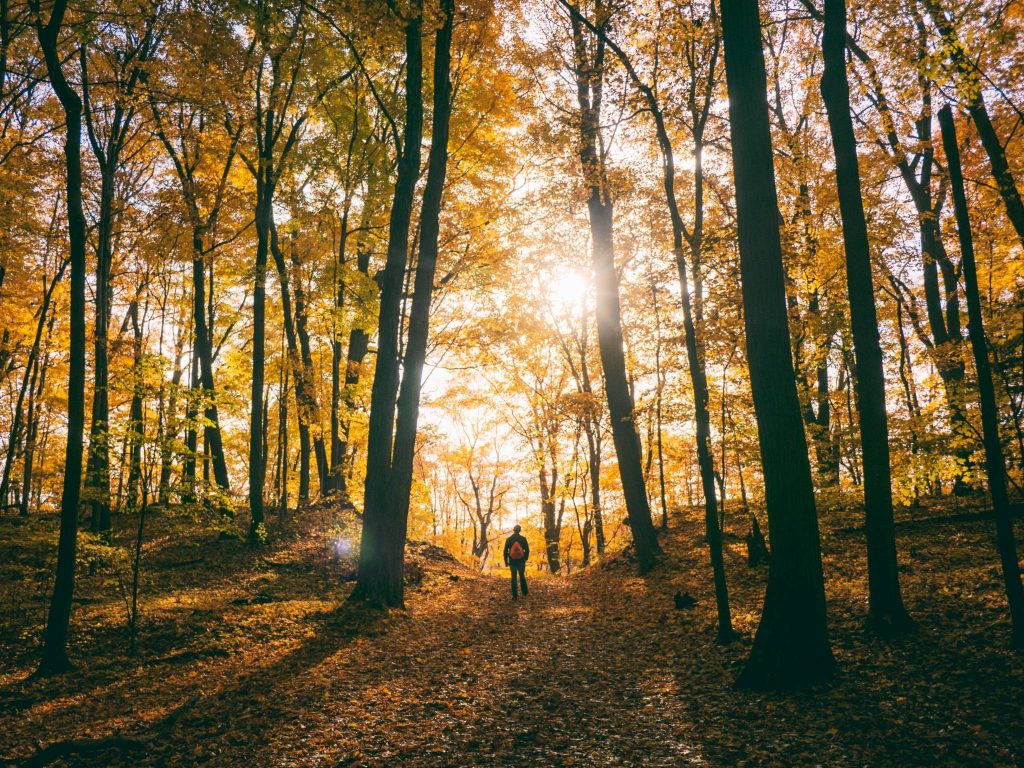
So go cycling; walking in the woods (even if you need walking sticks), open that bottle of wine, put that music on; have that piece of chocolate: do everything you can, even during these corona times, to make it a beautiful day.
And above all: be nice to each other; try to be understanding, even if you don’t fully understand. And once this period of confinement is over, hug each other very tightly!
Have a nice day.
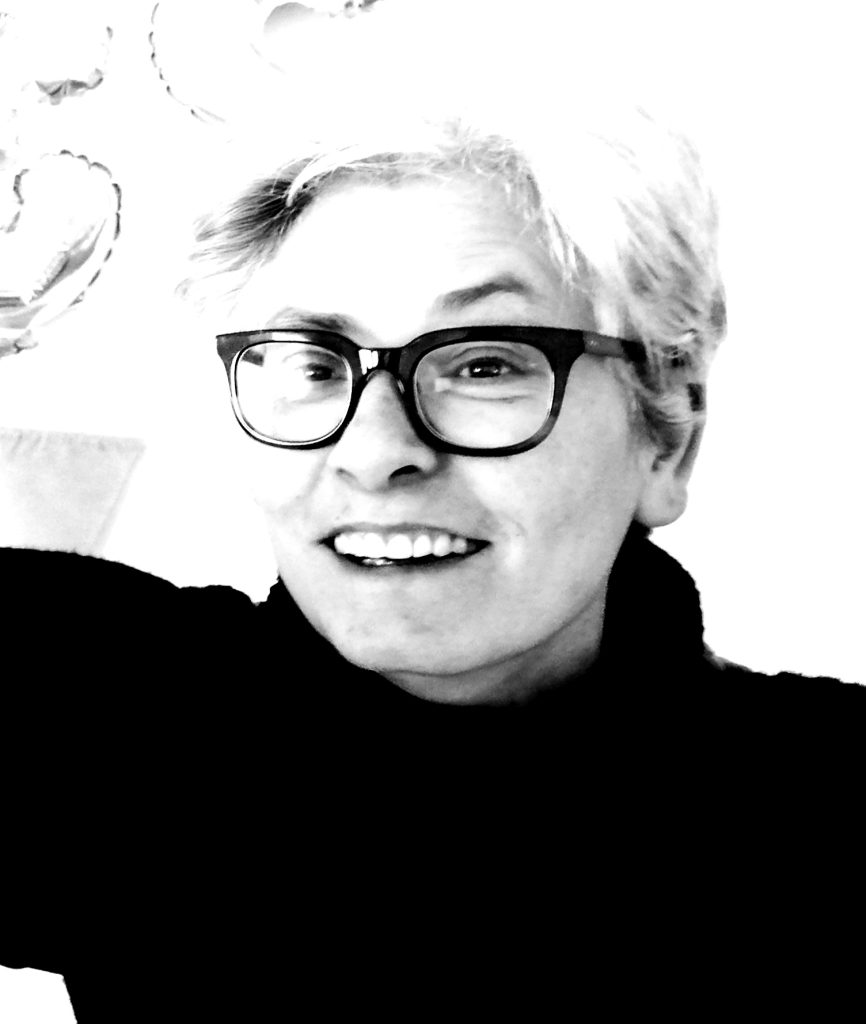
Veerle was diagnosed with Parkinson’s Disease in 2010, at the age of 37. She is a happy mother of four children and a very active and engaged person. She took part in a European training programme to be able to represent patients in various forums and is co-founder of Eupati Belgium, an organisation that enables patients to be involved in pharmaceutical research and development. She works as a volunteer at Belgium’s RaDiOrg, which represents people with rare diseases. She quickly reached the maximum allowed dose of medication to control her Parkinson symptoms, and underwent a Deep Brain Stimulator (DBS) procedure in 2017. She is very grateful for the improvement she has experienced, is enjoying life as much as possible and is hopeful for the future.
Photo by Aaron Burden sur Unsplash